
The Magnificence of Riding Your Horse Outside the Arena
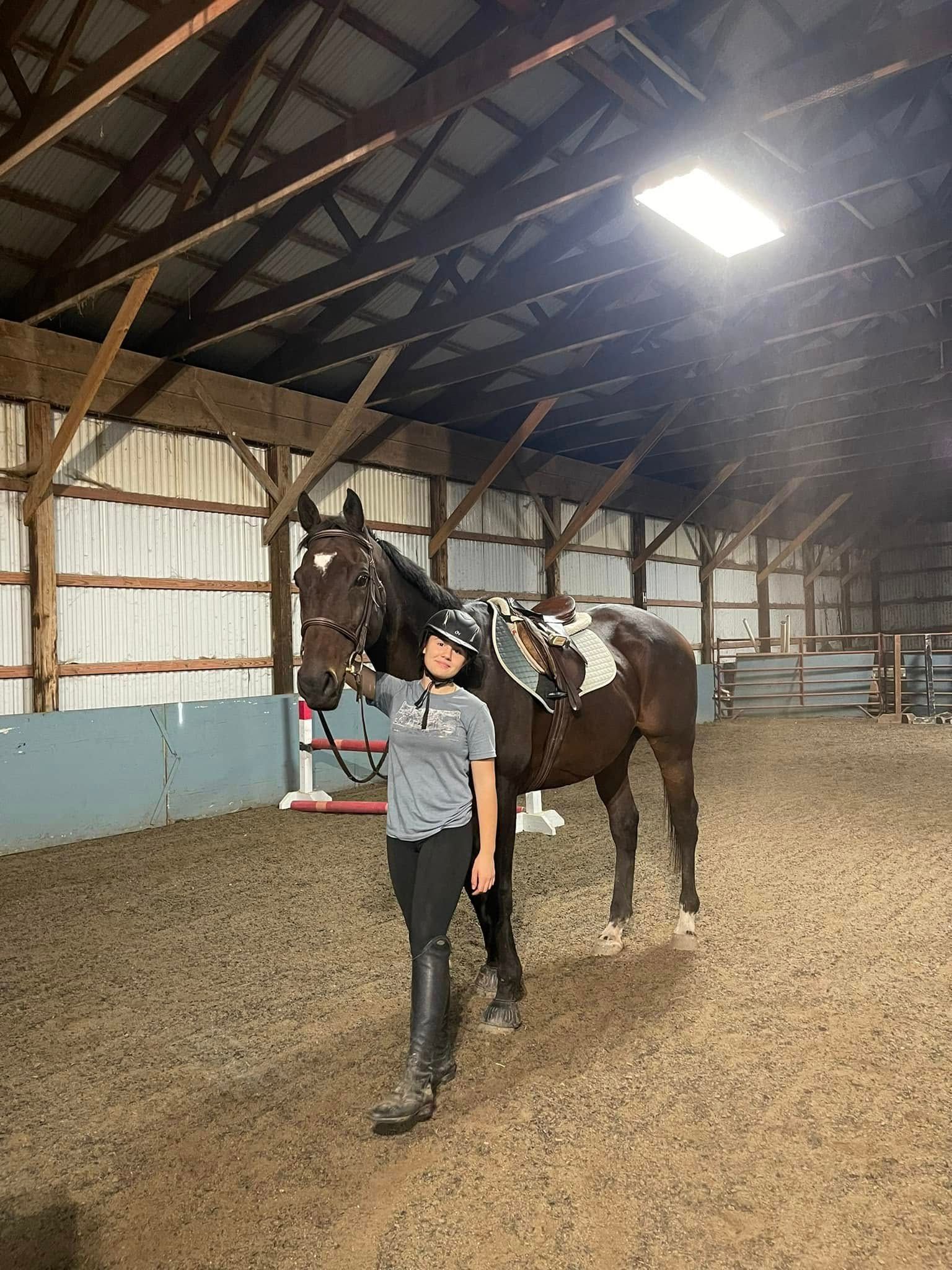
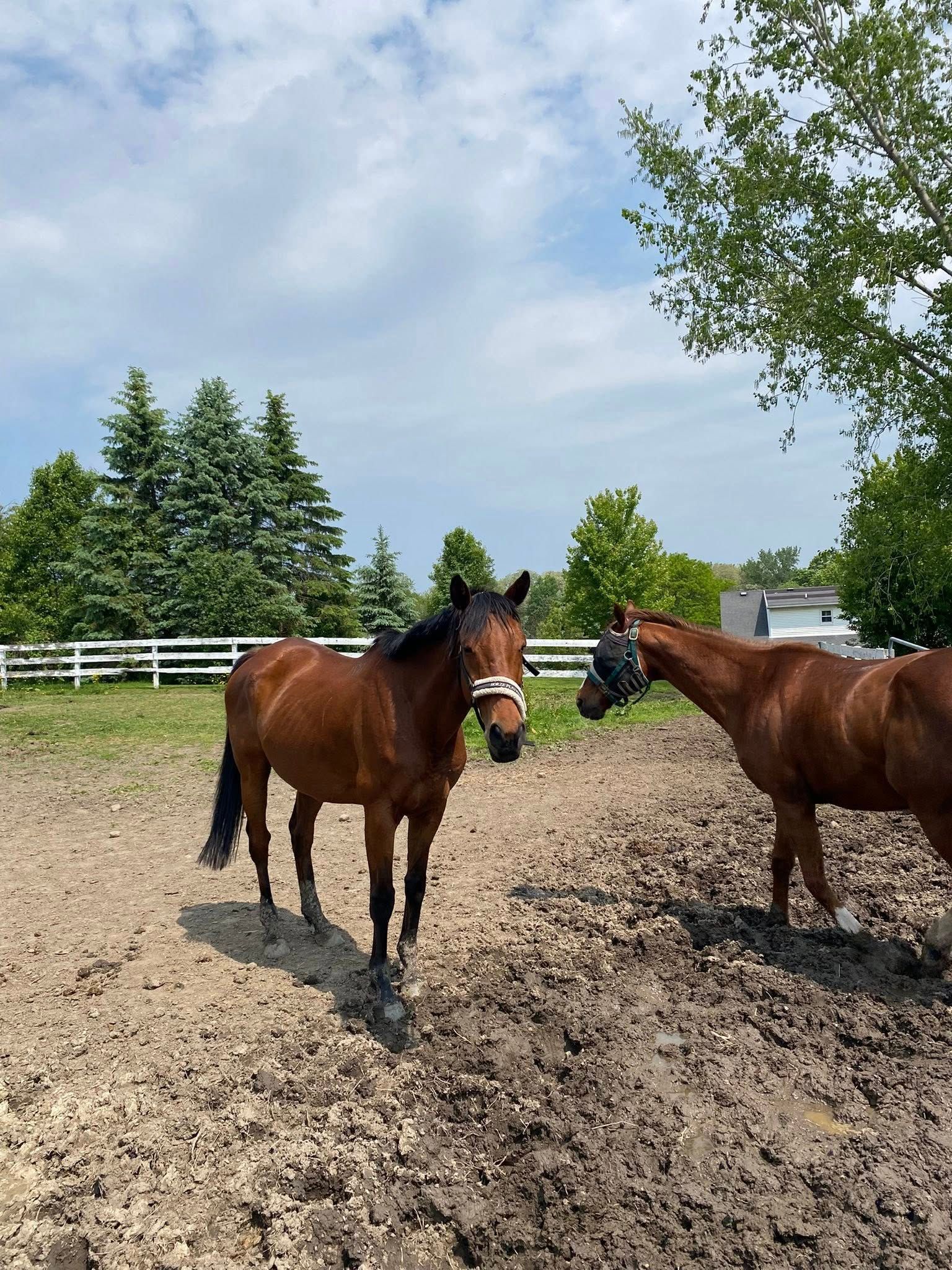
Riding outside of the traditional ring offers a transformative experience for both horse and rider, unlocking potential that is hard to achieve in a controlled, predictable environment. Whether in paddocks, forests, or vast open fields, the unique terrain challenges riders and horses in ways that significantly enhance their development. Here's why stepping outside the ring can accelerate your progress exponentially.
1. Reactivating the Horse’s Brain and Coordination
When a horse is ridden on unlevel or uneven surfaces, such as paddocks, woodlands, or expansive fields, its brain is reactivated at a deep level. Unlike the ring, where the footing remains constant, natural terrain forces the horse to make subtle adjustments with every step. This dynamic environment challenges the horse’s coordination, instincts, and retroactive skills, which can lead to exponential growth in its overall development. A horse ridden solely in the ring never experiences this level of mental and physical engagement, which limits its progress.
2. The Rider’s Experience of the Terrain
When a rider moves outside the ring, they are also exposed to the fluctuating sensations of the terrain beneath them. As the horse adjusts to sudden shifts in the ground, the rider must adapt simultaneously, feeling the horse’s every move as it reacts to the changing environment. This interplay forces the rider to engage more deeply with their mount, creating a bond that is harder to achieve within the confines of a predictable, consistent arena. The heightened responsiveness between horse and rider improves their overall coordination and telepathic communication, making both more attuned to each other’s movements and intent.
3. Accelerating the Learning Process for Both Horse and Rider
As I’ve discussed in previous articles that will be part of my upcoming book, “To Dream a Horse” the relationship between horse and rider goes beyond simple communication—it’s a dynamic exchange of energy and learning. The rider’s mind, with heightened intelligence and creativity over the horse, provides a source of psychological and retroactive energy that the horse absorbs in great magnitude. This accelerates the horse’s learning process far beyond what it would experience if it were not under saddle. The horse is now learning at a hyper-speed rate because it is influenced not only by the terrain but also by the rider’s creative thought process, input and guidance.
4. Developing Retroactive Skills in the Rider
In today’s world, where most transportation and activities are predictable and mechanized, retroactive skills are increasingly rare. However, in riding, these skills are critical. The rider must constantly react, anticipate, and adjust to the horse’s movements, as well as the variations in the terrain. Riding outside of the ring exponentially increases this process, as both the horse and rider are now responding to two dynamic forces: each other and the ever-changing environment beneath them. The result is a heightened level of engagement and skill development for both parties.
5. Building Creativity and Adaptability
As a trainer, I always emphasize the importance of creativity in riders. To be truly effective, a rider must approach the horse not just as an operator but as an architect—actively designing the flow of the ride while simultaneously reacting to the horse’s movements. In natural, unlevel terrain, this becomes even more critical. The rider must think creatively, adapting to the unique challenges posed by the terrain and the horse’s response. This fosters an incredible sense of proactive and retroactive thinking, allowing both horse and rider to operate as a unified, intelligent mechanism.
6. Synchronization Between Rider and Horse
As the horse navigates the varied terrain, both it and the rider undergo a series of synchronized responses. The horse’s movements are shaped by the terrain and its rider, while the rider is constantly reacting to those changes. This creates an extraordinary link between horse and rider, transforming them into a seamless team that can move through their environment with fluidity and confidence. The continuous challenge of the terrain, coupled with the rider’s creative input, strengthens this bond and enhances both the horse's and rider's overall performance.
7. The Powerful Fruits of Bareback Riding in Unfamiliar Terrain
One key practice that significantly contributes to the accelerated progress of our riders is encouraging them to ride outside the ring, often bareback. Riding bareback fosters a deeper connection with the horse, as the rider must rely more on their balance and body position to communicate with the horse. This closeness creates a more intuitive and responsive partnership, enabling the rider to feel and react to the horse's every move in a way that is often hard to achieve with a saddle. Riding in such an intimate manner outside the ring increases the rider’s awareness and sensitivity, leading to faster, more profound progress.
In Conclusion
The benefits of riding outside the traditional ring are immense. The combination of unlevel terrain, the rider’s creative input, and the increased connection between horse and rider creates an environment ripe for exponential growth. Both the horse’s physical coordination and the rider’s mental and retroactive skills are enhanced, leading to a more intuitive, creative, and synchronized partnership. The results speak for themselves—riders who engage with their horses in these dynamic environments often experience four times the progress compared to traditional ring work. It’s time to step outside the box (or ring) and let the power of the natural world take your riding to new heights!