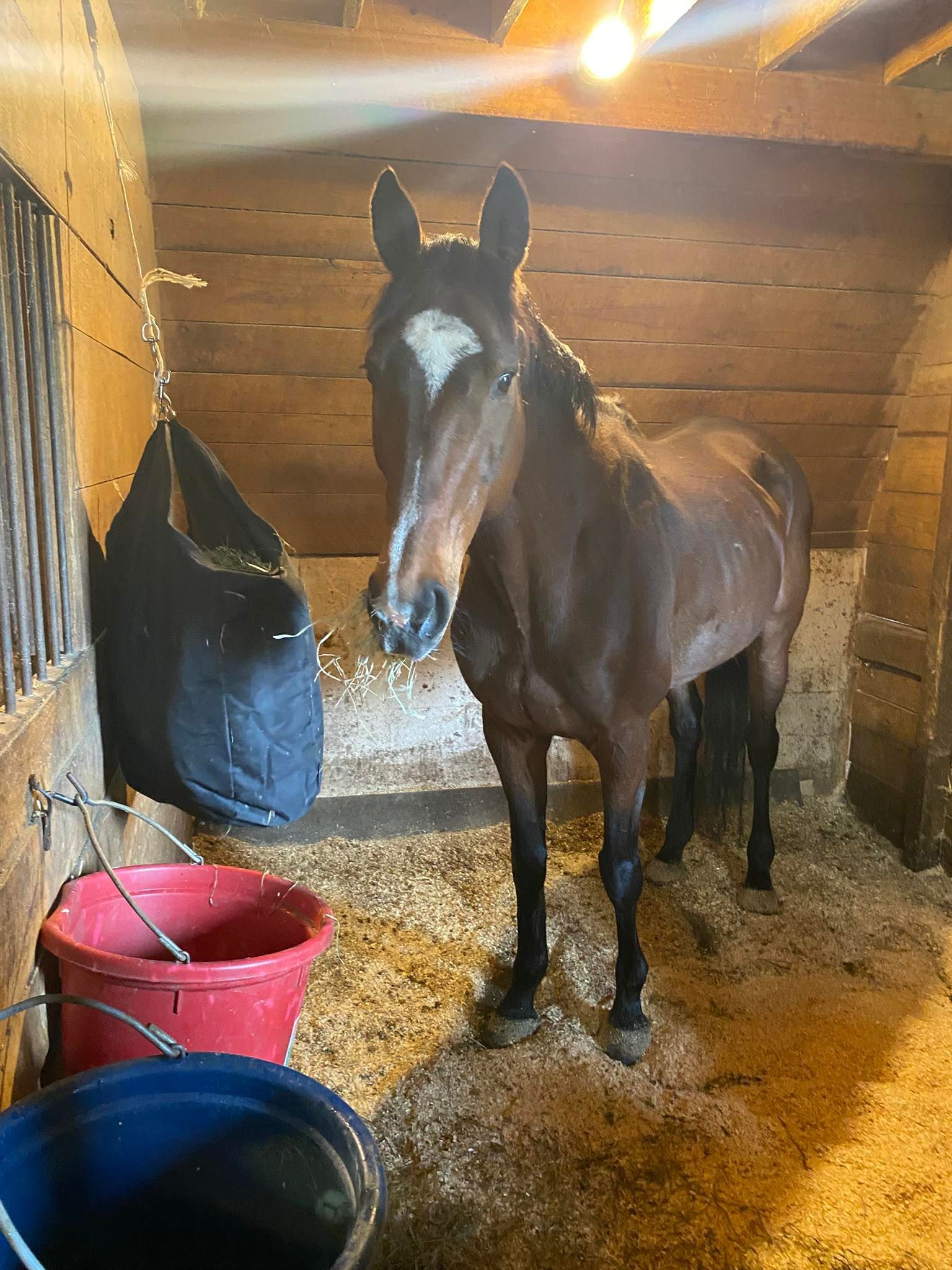

Are You Bigger Than Your Horse?
It seems simple, right? If you weigh 100 lbs. and your horse weighs 1,000 lbs., then your horse is 10 times your size. However, that’s not how your horse perceives it. In fact, to your horse, you can actually seem much bigger! It’s true — your horse has no concept of your actual size. Even your dog doesn’t fully understand how big or small you are. Most animals lack a clear perception of size. For example, if a bear appears in the woods, a tiny teacup poodle can create enough of a fuss to make the bear run away in fear!
So, how do you leave a “bigger” impression? The answer is simple: groundwork! The key is not just making movements but ensuring that you are the one making the horse move. This action establishes your role as the alpha or leader, which increases your significance in the horse’s eyes. Start by guiding your horse — turn, push, stretch, and confidently move your partner through various exercises. This physical interaction is crucial. By making the horse move around you, you demonstrate leadership and assert your dominance. The best part? You’re building a strong, respectful relationship even before you mount or harness.
It’s important to note that, except when training your horse for tack and gear, you should use as little equipment as possible. A rope halter or even a neck strap for a well-behaved horse will suffice. A training baton is an excellent tool for groundwork when used properly, and you’ll need one for the following exercise (or you can use the back end of a lunge whip).
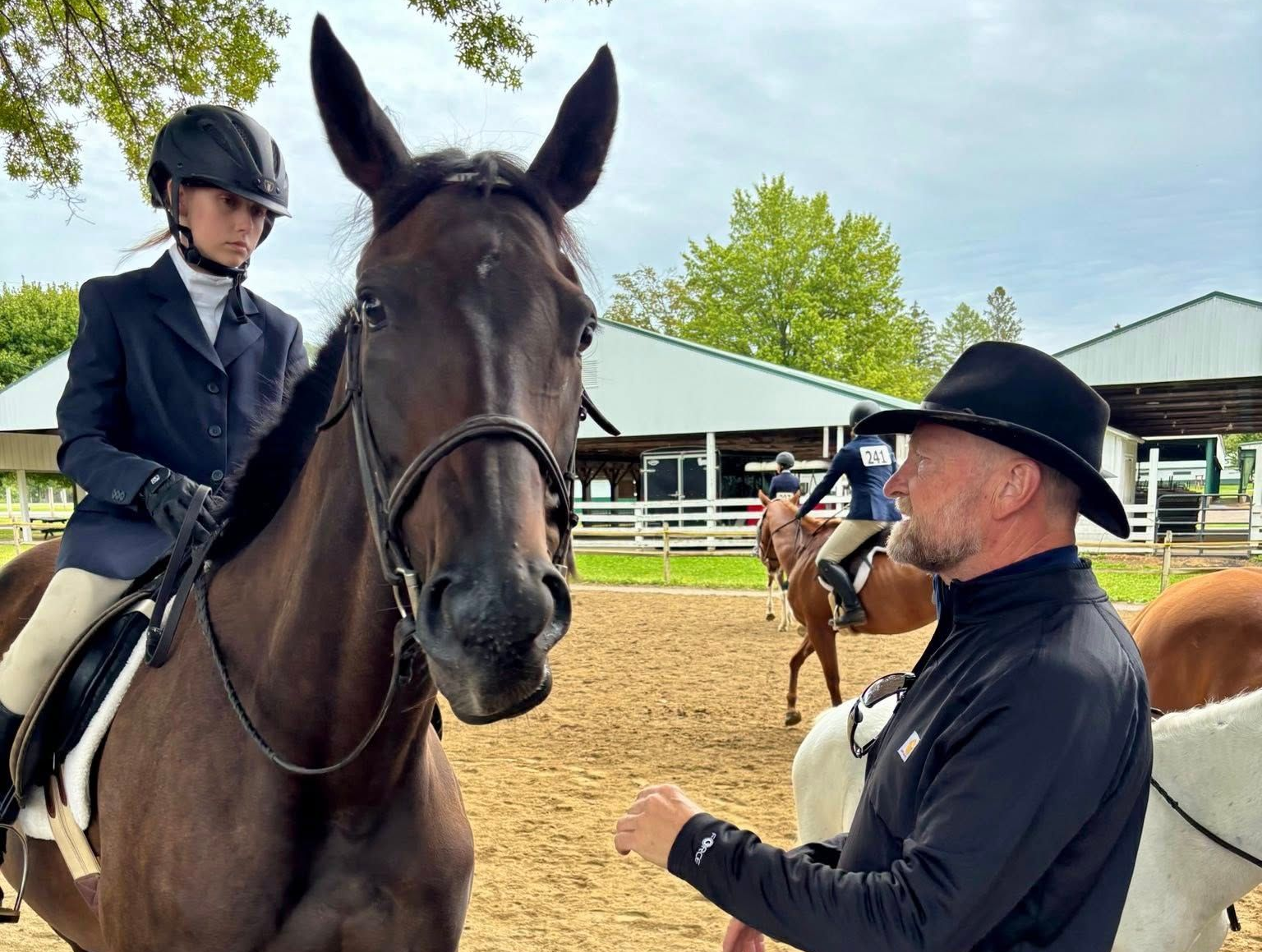
With your training baton in one hand and the lead line in the other, stand in front of your horse and take a moment for a “contemplative gaze.” This involves more than just making eye contact — it’s about connecting with your horse on a deeper, more intuitive level. As you make eye contact, the horse may naturally perceive you as a potential predator, which will raise its defenses slightly. Horses, as prey animals, are instinctively wired to view direct eye contact as a threat, and their sensitivity and perception are exponentially higher than what we experience in human interactions.
However, when you project calmness and kindness, the horse will shift from apprehension or anxiety to feeling safe and connected with you — like warming up by a cozy fire after being out in the cold. This transformation creates a powerful psychological bond. The horse starts to trust you more, reading not just your gaze but the energy behind it. By maintaining this contemplative state, you communicate in a language the horse deeply understands. Over time, this helps transform initial defensiveness into trust and respect — reinforcing your role as the leader and, most importantly, the protector. Remember, a full-grown horse reaches the intellectual capacity of a two- or three-year-old child. You must fulfill its need for a trusted and confident parent. But remember, a horse is a three-year-old child that weighs 1,000 pounds! (A sobering thought indeed.)
Once that connection is established, start backing up, giving a gentle tug on the lead so the horse follows at the length of the line. If your horse moves closer than the length of the lead line, use your training baton to apply gentle pressure against its chest. When you stop, teach your horse to stop immediately by applying a little more pressure or gently tapping its chest with the baton.
Next, move slowly toward your horse with purposeful energy, training it to back away at the same pace while maintaining the distance. Use your baton gently to encourage the horse backward with multiple soft taps or a change in pressure. Remember, when you move toward your horse, it should back up at the same speed and always stop when you do. Throughout this entire session, maintain steady eye contact with your horse — never lose its attention, even for a moment. Stay fully focused and concentrated during the exercise and, before you know it, you won’t need a lead line or a baton! Your horse will know what to do without any physical contact at all. Then, it’s just you and the horse — how cool is that?!
So yes, you CAN be “bigger” than your horse, and you don’t need to gorge on pizza, hot dogs, or cheese to make it happen!